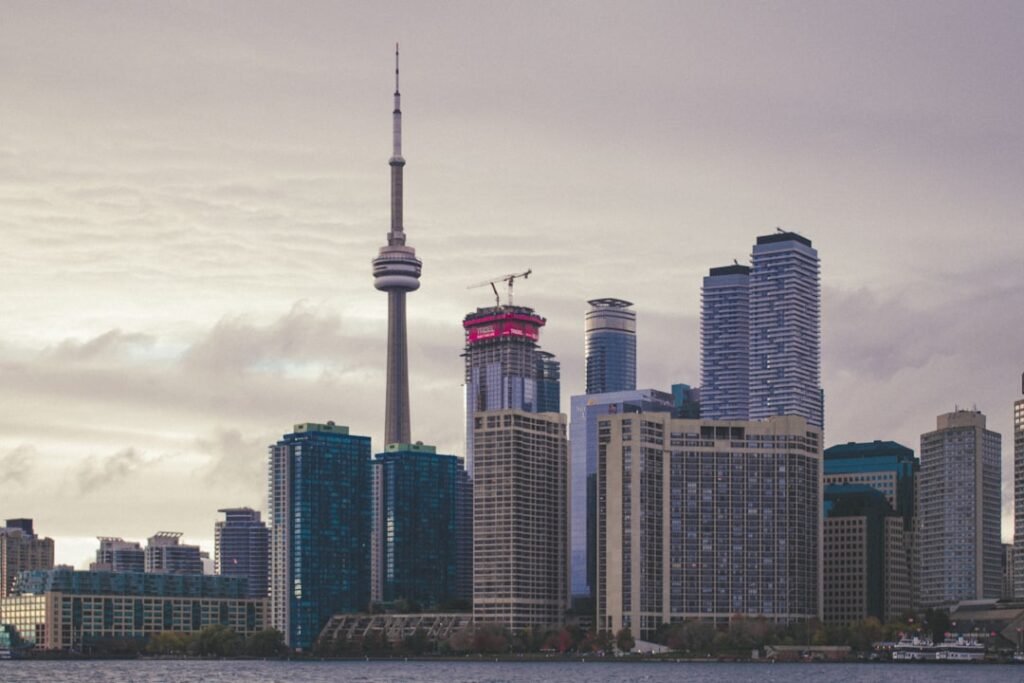
Buying your first home is an exciting milestone, but it can also be overwhelming, especially in a bustling market like Ontario. As of 2026, various resources and programs are available to help first-time homebuyers navigate this significant purchase. From understanding your finances to being aware of government incentives, this guide will walk you through essential steps to make your home-buying journey smoother.
Understanding the Market in Ontario
The real estate market in Ontario has seen substantial changes over recent years, including fluctuating prices and demand shifts due to various economic factors. To confidently approach home buying in 2026, it’s crucial to understand the current market conditions:
- Research Local Areas: Different regions in Ontario, such as Toronto, Ottawa, and Hamilton, have varying price points and market trends. Research these local markets to find an area that fits your budget and lifestyle.
- Price Trends: Keep an eye on the latest price trends, which can be influenced by factors like interest rates, the local economy, and housing supply.
- Future Developments: Investigate any upcoming developments in the area, as new infrastructure can affect property values and your prospective home’s resale value.
Financial Preparation: Budgeting for Your Home
Before diving into listings, establishing a solid financial foundation is essential. Here are key aspects to consider:
- Determine Your Budget: Calculate how much you can afford, keeping in mind your income, expenses, and existing debts. Financial experts suggest that your housing costs should not exceed 30% of your gross income.
- Saving for a Down Payment: The more you can put down upfront, the less mortgage you’ll need. Aim for at least 5% for a first home; however, 20% or more can help you avoid mortgage insurance.
- Explore the First Home Savings Account (FHSA): This government initiative allows you to save for your first home tax-free, offering both tax-deductible contributions and tax-free withdrawals for qualifying home purchases.
Securing Financing
Once you have a clear budget, the next step is securing financing. Here’s how to proceed:
- Check Your Credit Score: Lenders will review your credit history and score, which influences your mortgage rate. Make sure your credit is in good shape by paying off debts and correcting any inaccuracies in your credit report.
- Get Pre-Approved: A mortgage pre-approval gives you a realistic understanding of your borrowing capacity and strengthens your position when making an offer on a house. It shows sellers you’re a serious buyer.
- Explore Mortgage Options: Work with mortgage professionals to explore various products (fixed-rate vs. variable-rate), terms, and conditions to find the best fit for your financial situation.
Government Programs for First-Time Buyers
The Canadian government offers several programs aimed at easing the financial burden for first-time homebuyers. In Ontario, you may benefit from:
- Home Buyer’s Plan (HBP): This program allows you to withdraw funds from your RRSP to buy or build your first home without immediate tax implications. You must repay the withdrawn amount to your RRSP over 15 years.
- Ontario Land Transfer Tax Refund: If you’re a first-time buyer, you may be eligible for a land transfer tax refund of up to $4,000, which can be a significant saving.
- First-time Home Buyer Incentive: This program offers a shared-equity mortgage with the government, allowing you to lower your monthly mortgage payments by reducing the amount you need to borrow.
House Hunting: Finding Your Dream Home
Now that you’re financially prepared and aware of government programs, it’s time to start house hunting! Here are some tips to make the process efficient:
- Create a Wishlist: Make a list of your must-haves and nice-to-haves in a home. This could include the number of bedrooms, outdoor space, proximity to work/school, and public transport access.
- Hire a Real Estate Agent: A knowledgeable real estate agent can help you navigate the buying process, find listings that match your criteria, and negotiate offers.
- Attend Open Houses: Visit potential homes to get a feel for the properties and neighborhoods. Take notes and photos to help you remember them later.
Making an Offer and Closing the Deal
Once you’ve found the perfect home, it’s time to make an offer. Follow these steps to ensure a successful transaction:
- Present a Competitive Offer: Work with your real estate agent to formulate an offer that reflects the home’s market value and your budget. Be prepared for counteroffers.
- Conduct a Home Inspection: Before sealing the deal, hire a professional inspector to assess the condition of the property. This step can help identify potential issues and avoid costly surprises later.
- Understand Closing Costs: Be aware that closing costs can add another 1.5% to 4% of the home’s price. These costs include administration fees, legal fees, and possible adjustments for property taxes.
Post-Purchase: Settling In
After closing on your new home, take some time to familiarize yourself with your new community, and make the necessary adjustments to your life and finances. Remember to stay engaged with your local community for a more enriching experience.
Buying your first home in Ontario can be a fulfilling journey when properly planned and informed. Utilize available resources and stay engaged in the market for the best outcomes. Best of luck with your new adventure!