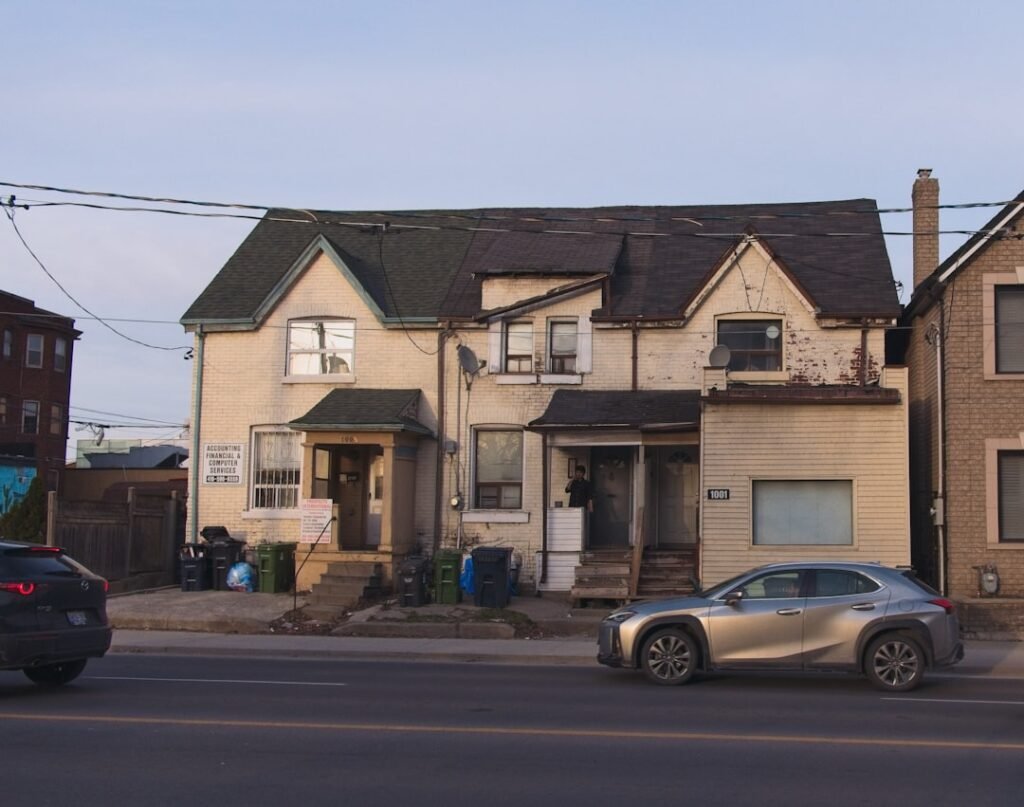
Flipping houses, a popular investment strategy, can be particularly lucrative in Canada, especially in cities like Toronto and Vancouver. As we delve into 2026, the housing market dynamics continue to evolve. From navigating regulations with the CRA (Canada Revenue Agency) to understanding investment opportunities for newcomers from the IRCC (Immigration, Refugees, and Citizenship Canada), this guide will equip you with everything you need to know about flipping houses in Canada.
Understanding the Basics of House Flipping
House flipping refers to the process of purchasing properties at lower prices, making renovations or improvements, and then reselling them at a profit. It’s an exciting venture, but before diving in, you should familiarize yourself with several crucial aspects:
- Market Research: Understanding the local real estate market is essential. Research areas with high demand, upcoming developments, and average selling prices.
- Budgeting: Assess your finances. Consider the purchase price, renovation costs, closing fees, and any unexpected expenses.
- Time Frame: Have a clear timeline for your project. Delays can lead to increased costs and decreased profits.
Securing Finance for Your Investment
Before embarking on a flipping project, securing the right financing is critical. Here are a few avenues you can explore:
- Conventional Mortgages: Many banks offer mortgage products specifically designed for investment properties.
- Private Lenders: In situations where traditional loans are difficult, many investors turn to private lending, albeit typically at higher interest rates.
- Home Equity Line of Credit (HELOC): Using the equity in your primary residence can be a cost-effective way to finance your flip.
It’s also wise to consult with a financial advisor to map out your investment strategy.
Navigating the Legal Landscape
In Canada, there are specific regulations related to flipping homes that you should be aware of:
- Tax Implications: Flipping houses can have significant tax implications. The CRA treats profits from flips as business income, meaning that you will be taxed at your full income tax rate.
- HST and GST Considerations: If you’re flipping a newly built home, you may need to account for HST or GST in your financial planning.
- Local Regulations: Each province, including Ontario, has its own regulations for property renovation and real estate transactions. Familiarize yourself with the rules in the areas where you plan to invest.
Choosing the Right Property
Not every property is suitable for flipping. Here are some key factors to consider when selecting a house:
- Location: Look for properties in up-and-coming neighborhoods where values are expected to rise.
- Condition: Properties that require cosmetic repairs (like paint and flooring) are preferable over those needing significant structural work.
- Market Comparables: Analyze recent similar sales in the area to understand potential profits.
Renovation Strategies for Success
Once you’ve acquired the right property, renovations can make or break your flip. Here are some effective strategies:
- Focus on the Kitchen and Bathroom: These areas often yield the highest return on investment; consider modernizing fixtures, cabinets, and tiles.
- Enhance Curb Appeal: Simple landscaping and exterior improvements can dramatically enhance a home’s first impression.
- Energy Efficiency Upgrades: Adding insulation, energy-efficient windows, and modern appliances can attract eco-conscious buyers and reduce long-term costs.
Make sure to obtain any necessary permits before you start renovations, as compliance with local guidelines is essential to avoid fines and delays.
Marketing Your Flip
Once renovations are complete, marketing your property effectively can help secure a sale at your desired price. Here are some tips:
- High-Quality Photos: Invest in professional photography to highlight your renovations.
- Online Listings: Utilize platforms like Zillow, Realtor.ca, and social media to reach potential buyers.
- Open Houses: Host open houses to garner attention and receive prospective buyer feedback.
Understanding the Role of the IRCC
If you are a newcomer to Canada, understanding how to navigate the real estate market involves familiarizing yourself with programs and resources from the IRCC. Whether it’s understanding homeownership as a permanent resident or accessing financial support and grants, leveraging these resources can help mitigate risks in your housing ventures.
Final Thoughts
Flipping houses in Canada in 2026 is an exciting yet complex endeavor. By conducting thorough market research, understanding financial and legal considerations, selecting the right properties, implementing effective renovations, and employing strong marketing strategies, you can position yourself for success in this competitive market.
Always remember to stay adaptable to changing market conditions and continuous learning, as this field is ever-evolving. Good luck with your flipping journey!