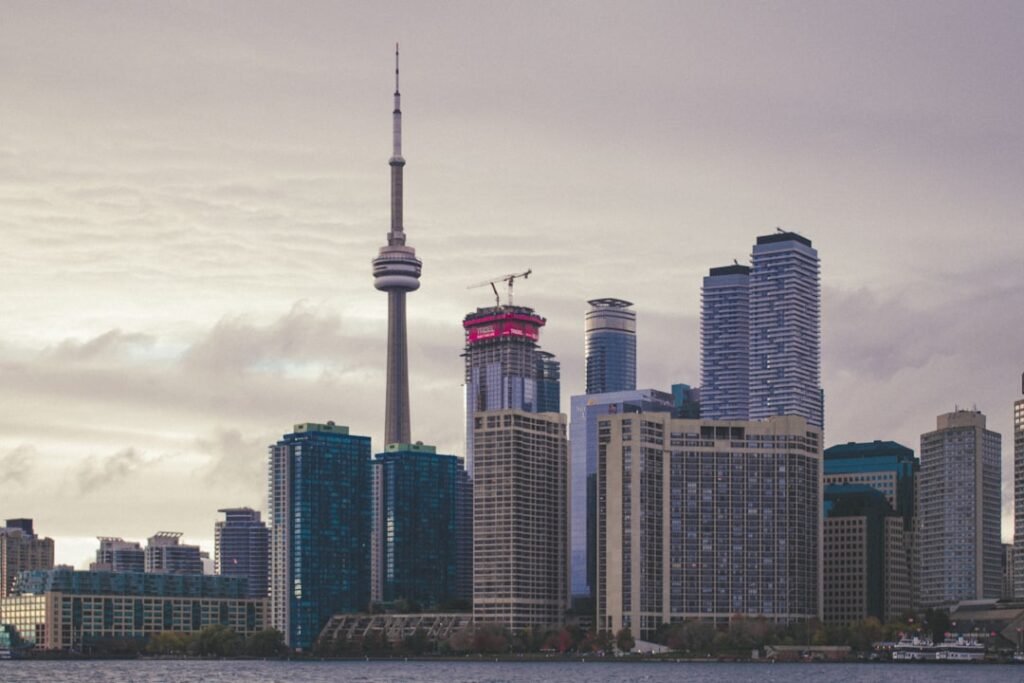
Purchasing your first home is an exciting milestone, especially in Ontario, where the housing market can be competitive. As of June 2026, the process of buying a home requires a blend of careful planning, financial understanding, and awareness of the latest regulations. Whether you’re a first-time buyer looking to settle down or relocate, this blog will help guide you through the key steps to successfully purchase your first home in Ontario.
Understanding the Ontario Market
Before diving into the process of buying a home, it’s crucial to understand the current housing market dynamics in Ontario. Since the COVID-19 pandemic, the market has seen fluctuations in property values and demand. As of mid-2026, here are some factors to consider:
- Market Trends: Investigate the latest trends in housing prices, both in the city and suburbs. Areas like Toronto may have high competition, while more suburban locations could offer better value.
- Government Regulations: Keep an eye on any changes made by the Ontario government that can affect property purchases, such as new laws or incentives for first-time buyers.
- Interest Rates: Monitor the Bank of Canada’s interest rates, as they impact mortgage rates. The right time to buy may coincide with lower rates.
Preparing Your Finances
Getting your finances in order is one of the first steps on your journey to homeownership. Here’s what you need to do:
- Saving for a Down Payment: Aim for a down payment of at least 5% to 20% of the home’s purchase price. Consider setting up a First Home Savings Account, which allows you to save tax-free for your down payment.
- Understanding Your Credit Score: A good credit score will not only influence your mortgage approval but also the interest rate you receive. Obtain your credit report and make sure there are no errors. Consider boosting your score by paying down debts or ensuring bills are paid on time.
- Calculating Your Budget: Beyond the down payment, calculate additional costs such as property taxes, home insurance, and closing costs (which can include legal fees and land transfer tax).
Mortgage Pre-Approval
Once you have your finances in order, the next step is getting a mortgage pre-approval. This process involves:
- Finding a Lender: Research different lenders, including banks, credit unions, and mortgage brokers. Compare their terms and rates.
- Submitting Documentation: Prepare necessary documents like proof of income, credit history, and details of your debts. This helps the lender evaluate your financial situation.
- Receiving Pre-Approval: A pre-approval will give you an understanding of how much you can afford and will strengthen your position when making an offer on a home.
House Hunting
With pre-approval in hand, it’s time to start searching for your ideal home. Here are some tips to guide the house-hunting process:
- Enlist a Real Estate Agent: Working with a knowledgeable agent can make the process smoother. They can provide insights into neighborhoods, help with negotiations, and guide you through the paperwork.
- Create a Wishlist: Note your must-haves and deal-breakers, like the number of bedrooms, proximity to work or schools, and preferred amenities. This will focus your search.
- Attend Open Houses: Take advantage of open houses to get a feel for the market and see different properties in person.
Making an Offer and Closing the Deal
Once you’ve found a home you love, it’s time to make an offer. This can be an emotional step, but staying grounded is vital. Here’s how to proceed:
- Research Comparable Sales: Look at similar homes in the area to determine a fair offer price.
- Include Conditions: Consider including conditions in your offer, such as a home inspection or securing financing, to protect your interests.
- Negotiate: Be prepared for counteroffers. Your agent can help strategize on how to get the best deal.
Upon acceptance of your offer, the closing process begins, which can include arranging inspections, finalizing your mortgage with your lender, and processing paperwork for the transfer of ownership.
Understanding Closing Costs
Before you get the keys to your new home, it’s essential to budget for closing costs. These can include:
- Land Transfer Tax: Calculated based on the purchase price of the property, this tax varies across Ontario.
- Legal Fees: Hiring a lawyer to handle the closing documents and transfer of property ownership.
- Home Inspection Fees: A thorough inspection to identify any potential issues with the property.
Final Considerations
Congratulations! You’ve successfully purchased your first home in Ontario. However, there are still a few considerations to keep in mind:
- Property Maintenance: Budget for ongoing maintenance costs to keep your home in good condition.
- Government Programs: Investigate tax credits and programs for first-time homebuyers, including the First-Time Home Buyer Incentive offered by the Canadian government.
- Stay Informed: Keep track of local market trends and government regulations that may impact your property value and living situation.
Purchasing your first home is a monumental step. Equip yourself with the right knowledge, place trust in a skilled real estate agent, and maintain a clear financial outlook. Happy house hunting!