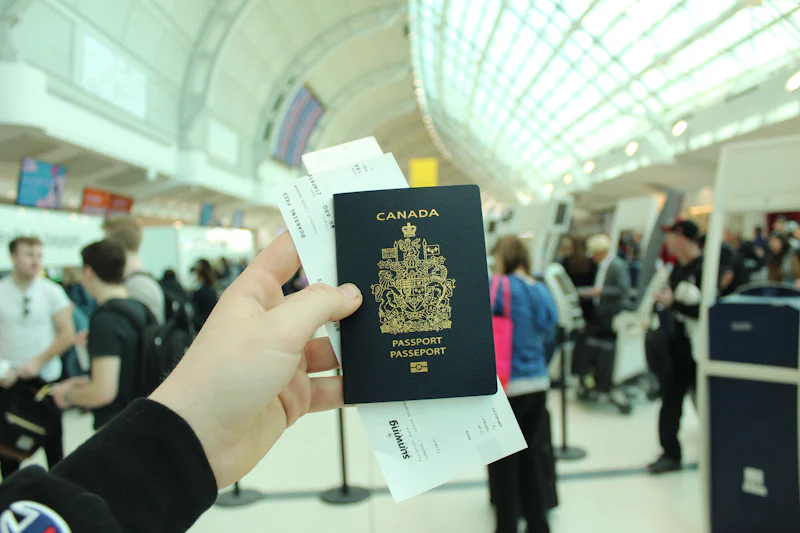
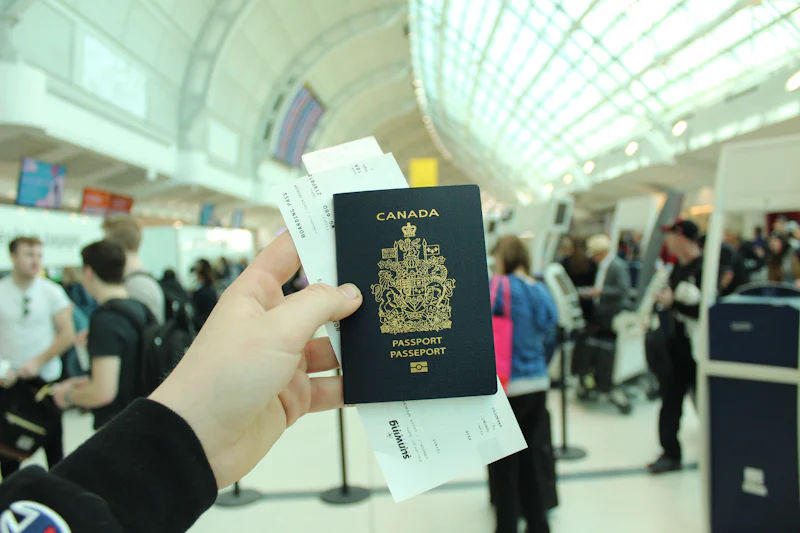
Navigating the sponsorship process can be a daunting yet rewarding experience for couples looking to live together in Canada. If you’re a Canadian citizen or a permanent resident wishing to sponsor your spouse to Canada, understanding the process will help ensure a smooth application journey. In this guide, we’ll explore the requirements, steps, and important considerations for successfully sponsoring your spouse in 2026.
Understanding Sponsorship for Spouses
Sponsoring your spouse to Canada allows them to obtain permanent residency, enabling you both to enjoy life together in a country known for its diversity, inclusivity, and strong support systems. The Immigration, Refugees, and Citizenship Canada (IRCC) oversees the sponsorship process, ensuring that applicants meet all necessary criteria.
Eligibility Criteria for Sponsorship
Before starting your application, both you and your spouse must meet specific eligibility criteria:
- Sponsor Eligibility: You must be a Canadian citizen or a permanent resident over the age of 18 and capable of providing for your spouse.
- Spouse Definition: Your spouse can be legally married to you or in a common-law relationship (cohabiting for at least one year).
- Financial Requirements: You should demonstrate the financial ability to support your spouse without relying on social assistance from the CRA.
- Moral and Legal Standing: You must not have any pending convictions related to violent crimes, and you must not be in default of any previous sponsorship undertakings.
Gathering Required Documents
The next step involves compiling a comprehensive set of documents that will support your application. These include:
- Proof of Citizenship or Residency: This can be a copy of your Canadian passport, citizenship certificate, or permanent resident card.
- Marriage Certificate: Provide a legally recognized marriage certificate. If the relationship is common-law, proof of cohabitation for at least one year is needed.
- Identity Documents: Both parties should provide valid passports and birth certificates.
- Financial Evidence: Documents demonstrating your ability to support your spouse, such as pay stubs, bank statements, or tax returns from the CRA.
- Application Forms: Complete various IRCC forms, including an application for permanent residence and sponsorship agreement.
Steps to Sponsor Your Spouse
Sponsoring your spouse involves a series of steps:
Step 1: Determine the Application Type
You can submit the application as:
– An Outland Application: Useful if your spouse is currently living outside Canada. Processing times may vary based on the country of residence.
– An Inland Application: For those who are already residing in Canada. This can allow your spouse to apply for a work permit while the sponsorship is being processed.
Step 2: Complete and Submit Your Application
Once you’ve determined the appropriate application, fill out all required forms and gather supporting documents. Pay attention to detail since incomplete applications can lead to delays or rejections.
Step 3: Application Fees
Prepare to pay the sponsorship and processing fees, which can be found on the IRCC website. The fees will vary based on the specific application type and the number of applicants.
Step 4: Submit the Application Package
Mail your completed application package to the IRCC. Ensure that you maintain copies of everything you submit for your records.
Step 5: Wait for Confirmation
After submission, you’ll receive an acknowledgment from the IRCC. Processing times can vary significantly, so be patient. You can monitor the status of your application through the IRCC portal.
Post-Submission Considerations
Once your application is submitted, your spouse may be required to undergo medical examinations and provide police clearance certificates. Keep in mind that your spouse must demonstrate that they will not pose a risk to Canadian society.
Additionally, if you applied as common-law partners, be prepared to provide evidence of your shared life, such as joint bank accounts, lease agreements, or photographic documentation. This can strengthen your case significantly.
What to Do if Denied
In case your application is denied, it may feel disheartening, but there are ways to address the situation:
- Understand the Reason: Carefully review the denial letter to understand why your application was not accepted.
- Address Issues: If possible, rectify any issues highlighted in the denial.
- Reapply or Appeal: Depending on the situation, you may choose to either reapply with the correct documentation or file an appeal.
Conclusion
Sponsoring your spouse to Canada can be a complex process, but with patience and meticulous preparation, you can navigate the steps effectively. Be sure to stay informed about any changes to the immigration policies, as these can impact your application. With love and perseverance, you’ll soon be able to build your life together in the Great White North.