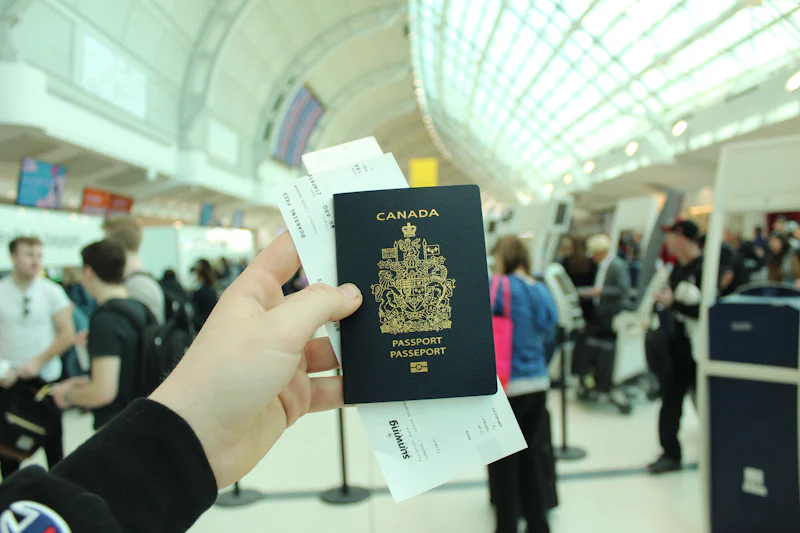
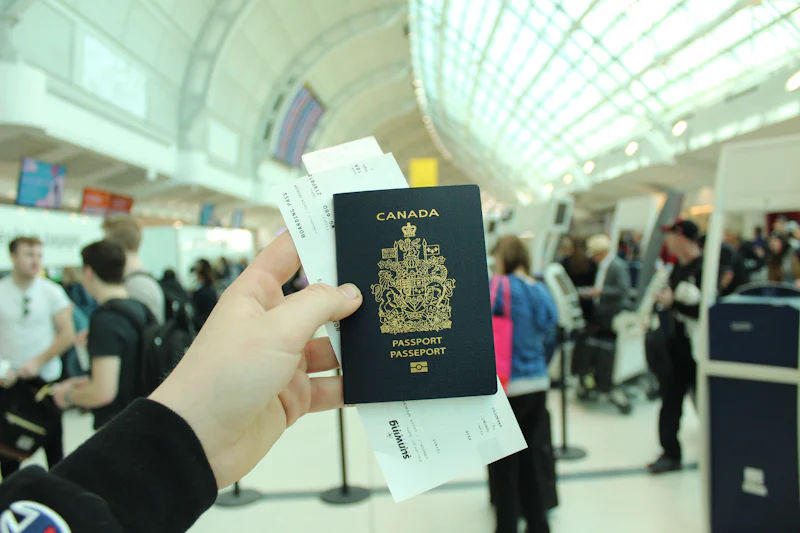
Getting a study permit in Canada is an essential step for international students aspiring to further their education in the country. As a welcoming nation with a diverse range of educational opportunities, Canada attracts thousands of students each year. However, the process of obtaining a study permit requires careful preparation and understanding of the requirements. Whether you’re looking to study in Ontario or another province, this guide provides a comprehensive overview of how to navigate the process effectively.
Understanding the Study Permit
A study permit is a document issued by the Government of Canada that allows international students to study at designated learning institutions (DLIs) in Canada. It is important to note that a study permit is not a entry visa; therefore, if you are coming to Canada from another country, you may also need a visitor visa or an electronic travel authorization (eTA).
Eligibility Requirements for a Study Permit
To obtain a study permit, you must meet certain eligibility requirements:
- You must have an acceptance letter from a designated learning institution (DLI).
- You must prove that you have sufficient funds to cover tuition fees, living expenses, and return transportation.
- You must demonstrate that you will leave Canada upon the expiry of your study permit.
- You may need to provide medical exams or police clearance depending on your home country.
Steps to Apply for a Study Permit
Following a clear process will help simplify your application for a study permit:
1. Receive an Acceptance Letter
Your first step is applying and being accepted to a DLI. Only institutions recognized by the government can provide you with a valid acceptance letter. Ensure that your acceptance letter includes details such as program start and end dates, and the school’s address.
2. Gather Required Documents
Once you have received your acceptance letter, you will need to prepare the following documents for your application:
- A valid passport or travel document.
- Proof of funds (bank statements, scholarship letters, etc.).
- Acceptance letter from a DLI.
- Passport-sized photographs that meet IRCC specifications.
- A letter of explanation outlining your study plans.
- Proof of no criminal record (if required).
3. Fill Out the Application Form
Visit the IRCC website to fill out the application form for a study permit. You can apply online or through a paper application. Be sure to complete the form accurately and truthfully, as any discrepancies can delay the process or result in a denial.
4. Pay the Application Fee
For online applications, you will need to pay the processing fee via the IRCC website. As of 2026, this fee is CAD 150. Keep a record of your payment, as you will need to include it with your application.
5. Biometrics Appointment
If required, you will need to provide biometrics (fingerprints and a photo) after submitting your application. You’ll receive instructions on where and how to provide your biometrics, usually at a local Visa Application Centre (VAC).
6. Wait for Processing
Processing times can vary based on your location and the volume of applications. You can check the IRCC website for current processing times. During this wait, ensure that you have all documents ready in case IRCC requests additional information.
7. Receive Decision
Once a decision has been made regarding your application, you will receive a notification through your online account or via mail. If your application is approved, you will receive a letter of introduction and, if applicable, a study permit.
What to Do After Receiving Your Study Permit
Upon receiving your study permit, make sure you:
- Review the conditions of your study permit, such as work limitations.
- Book your travel to Canada, ensuring you have all necessary documents handy for border security.
- Prepare for your arrival, including securing housing and understanding healthcare options (if you’re studying in Ontario, don’t forget to register for OHIP if eligible).
Considerations for International Students
International students should keep in mind various factors:
- Compliance with study permit conditions is crucial. If you work, don’t exceed the permitted hours.
- Maintain communication with the DLI and update them on any changes to your status or address.
- Be aware of healthcare system specifics and academic support available in your province.
Conclusion
Obtaining a study permit in Canada is a structured process that requires adherence to specific guidelines. By following the steps outlined above and ensuring that you have the right documents in place, you’ll be well on your way to starting your educational journey in Canada. Remember to regularly check the IRCC website for the most current information and updates regarding study permits.