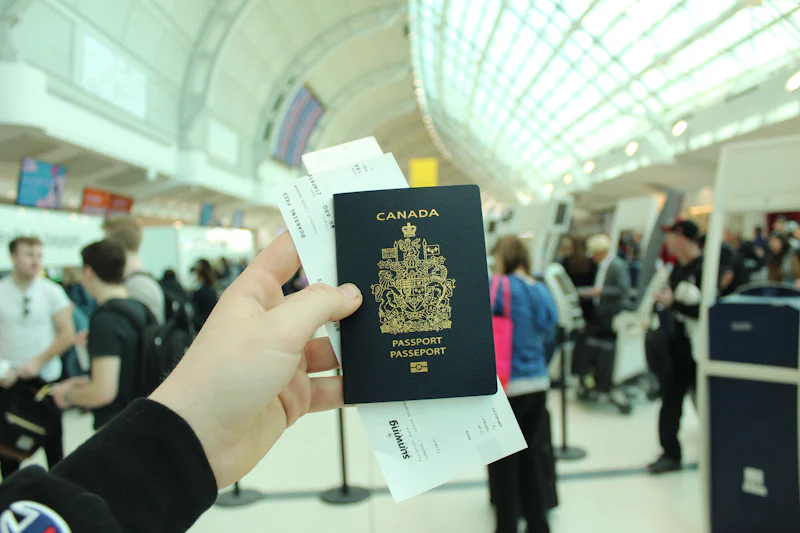
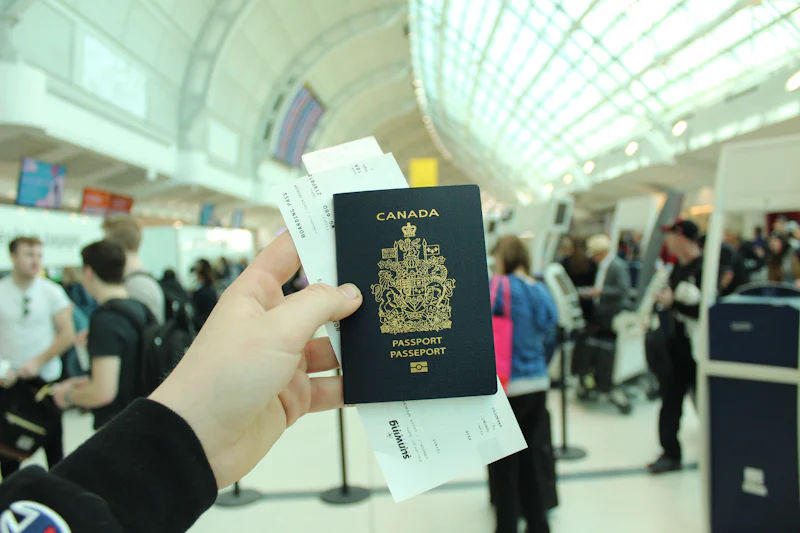
Getting a study permit in Canada is an essential step for international students looking to pursue their education in one of the world’s most welcoming and diverse countries. With renowned institutions and vibrant campuses, Canada offers high-quality education and a chance to immerse oneself in a multicultural environment. Whether you’re aiming for a diploma, degree, or certificate, applying for a study permit involves specific processes and requirements. In this guide, we’ll walk you through everything you need to know to secure your study permit in Canada.
Understanding the Study Permit
A study permit serves as a document issued by the Government of Canada that allows international students to study at designated learning institutions (DLIs) in the country. It is essential to note that a study permit is not a visa; you may need a separate visitor visa or an Electronic Travel Authorization (eTA) to enter Canada, depending on your country of origin.
Eligibility Requirements
To be eligible for a study permit, you must meet certain requirements. Here are the key criteria:
- Acceptance Letter: You must have an acceptance letter from a DLI in Canada.
- Proof of Funding: You must demonstrate that you have enough funds to cover your tuition fees, living expenses, and return transportation.
- Intent to Leave: You must show that you plan to leave Canada upon completion of your studies.
- Health Requirements: You may need to undergo a medical exam, especially if you plan to study for more than six months.
- No Criminal Record: You should have no criminal record and may need to provide a police certificate.
Documents Required for the Application
Your application for a study permit will require several documents, including but not limited to:
- Application Form: Complete the correct application form based on your situation.
- Acceptance Letter: Include the conditional or unconditional offer from the DLI.
- Proof of Funds: Bank statements, scholarship letters, or financial support letters can serve as proof.
- Identity Documents: A valid passport and photographs that meet the required specifications.
- Statement of Purpose: A letter outlining your study goals and future plans.
- Medical Examination Results: If applicable, submit proof of medical examination results.
How to Apply for a Study Permit
The application can be done online or on paper, though online submissions are generally faster and more efficient. Here’s a step-by-step guide for applying:
- Gather Documents: Collect all necessary documents as mentioned above.
- Create an Online Account: Visit the IRCC website to create an account.
- Complete the Application Form: Fill out the study permit application form accurately.
- Pay the Fees: Pay the application fee, which is subject to change, but is currently around CAD 150.
- Submit Your Application: Once everything is in order, submit your application online.
- Biometrics Appointment: If required, book and attend a biometrics appointment.
- Wait for Processing: Monitor your application status through your online account.
Processing Times
The processing time for study permits can vary significantly depending on your home country and the volume of applications received by IRCC. Generally, it can take anywhere from a few weeks to several months. To check current processing times, visit the IRCC processing times page.
Post-Graduation Work Permit (PGWP)
Once you have completed your studies, you may be eligible to apply for a Post-Graduation Work Permit (PGWP), which allows you to work in Canada for up to three years after graduation, depending on the length of your study program. This opportunity allows you to gain valuable Canadian work experience and can help you qualify for permanent residency through the Express Entry system. Be sure to check your eligibility for the PGWP while applying for your study permit.
Tips for a Successful Application
Here are some tips to enhance your study permit application:
- Be Thorough: Ensure all documents are complete and accurate to avoid delays.
- Meet Deadlines: Submit your application well in advance of your program start date.
- Consult Professionals: If unsure, consider consulting with an immigration consultant or lawyer.
- Stay Informed: Keep abreast of any changes in immigration policies by checking the IRCC website regularly.
Final Thoughts
Obtaining a study permit is a critical step in your journey towards studying in Canada. With proper planning, timely application, and adherence to guidelines set by IRCC, you can successfully secure your study permit and embark on an enriching educational experience in Canada. Remember to remain proactive and informed throughout the process, as this will foster a smoother and more successful application experience.