Getting a study permit in Canada is an essential step for international students wishing to pursue their education in this diverse and welcoming country. This blog post provides a comprehensive overview of the application process, the necessary documents, and the costs associated with obtaining a study permit. Whether you are considering studying in Ontario or anywhere else in Canada, this guide aims to assist you with all the information you’ll need to get started.
Understanding the Study Permit
A study permit is a legal document that allows you to study at designated learning institutions (DLIs) in Canada. It is important to understand that a study permit does not allow you to enter Canada; you may also need a visitor visa or an Electronic Travel Authorization (eTA) depending on your nationality. If your program lasts six months or less, you may not need a study permit; however, if you plan to study longer, you must secure one.
Eligibility Criteria for a Study Permit
To be eligible for a study permit in Canada, you must meet the following criteria:
- You must have been accepted into a designated learning institution (DLI).
- You must prove that you have sufficient financial resources to pay for tuition, living expenses, and return transportation.
- You must show that you will leave Canada at the end of your studies.
- You must be a law-abiding citizen and provide any police certificates required.
- You may need to undergo a medical exam if required by the IRCC.
How to Apply for a Study Permit
The application process can be divided into several key steps:
- Gather Required Documents: Collect the necessary documents, including:
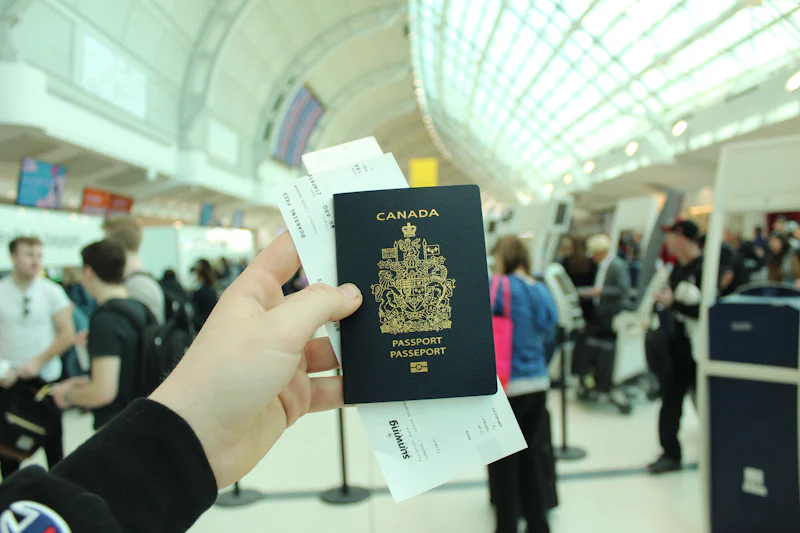
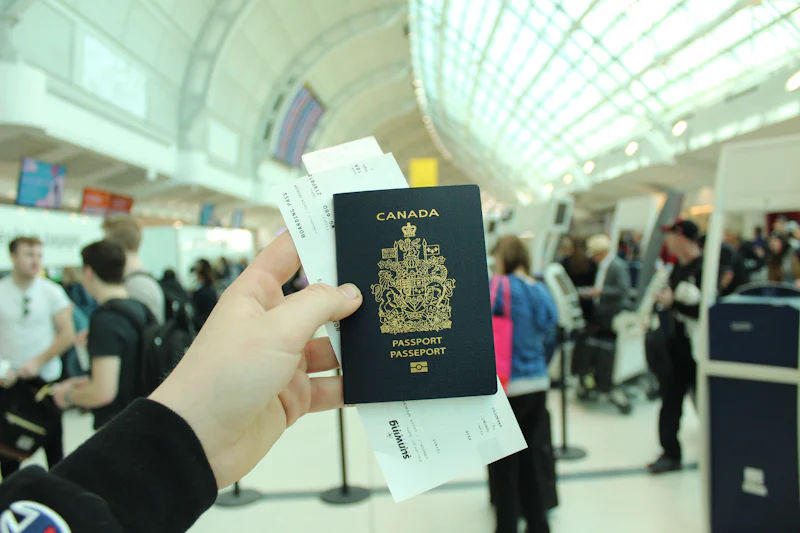
- A valid passport or travel document.
- A letter of acceptance from a designated learning institution.
- Proof of sufficient financial resources, such as bank statements or proof of scholarships.
- Digital photographs as required.
- Identity documents, if applicable.
- Complete the Application Form: Fill out the study permit application form (IMM 1294) online through the IRCC website. You’ll need to create an account to submit your application electronically.
- Pay the Application Fee: The fee for a study permit application is typically CAD 150, payable online when you submit your application.
- Submit Your Biometrics: Many applicants need to provide biometrics (fingerprints and photographs). You may need to visit a local biometric collection service point after submitting your application.
- Wait for Processing: Processing times can vary, so check the current wait times on the IRCC’s website. You can usually expect a response within a few weeks to a few months.
- Notification & Decision: If your application is approved, you’ll receive a letter of introduction and, if necessary, a temporary resident visa (TRV) or an eTA.
Applying from Outside Canada vs. Inside Canada
The application process differs slightly based on where you are applying from:
- Outside Canada: Most students apply from their home country, typically using the IRCC’s online application system.
- Inside Canada: If you’re already in Canada and your study permit is about to expire, you can apply for a new permit while remaining in the country. Ensure that you maintain your legal status throughout the transition.
What Happens After Your Study Permit is Approved?
Once your study permit is issued, it’s important to understand your responsibilities as an international student in Canada:
- Adhere to the terms of your permit, which include studying full-time at a DLI and maintaining good academic standing.
- Stay informed about your rights and responsibilities, as well as any specific provincial regulations in Ontario.
- Consider applying for a post-graduation work permit if you wish to work in Canada after completing your studies.
Costs and Financial Considerations
In addition to the application fee, there are other costs to consider:
- Tuition Fees: Varies depending on the DLI and program.
- Living Expenses: Budget for accommodation, food, transportation, and healthcare.
- Insurance: Obtain health insurance; it may be mandatory depending on your province.
Conclusion
Obtaining a study permit in Canada is a significant step toward achieving your academic goals. By following this guide and preparing adequately, you can streamline the application process and prepare for your journey ahead. Canada, particularly Ontario, offers a thriving educational environment that is enriched by diverse cultures and innovative learning opportunities. As you prepare to embark on this exciting chapter of your life, stay informed and proactive about your application and eventual move to Canada.