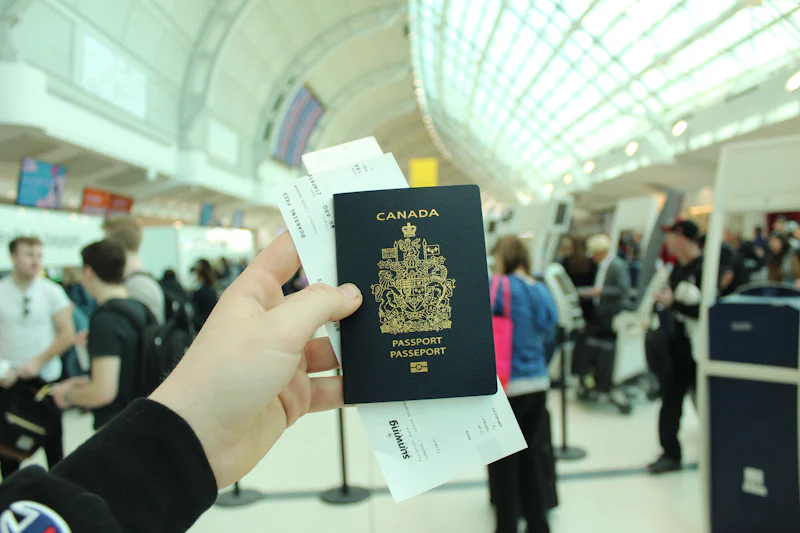
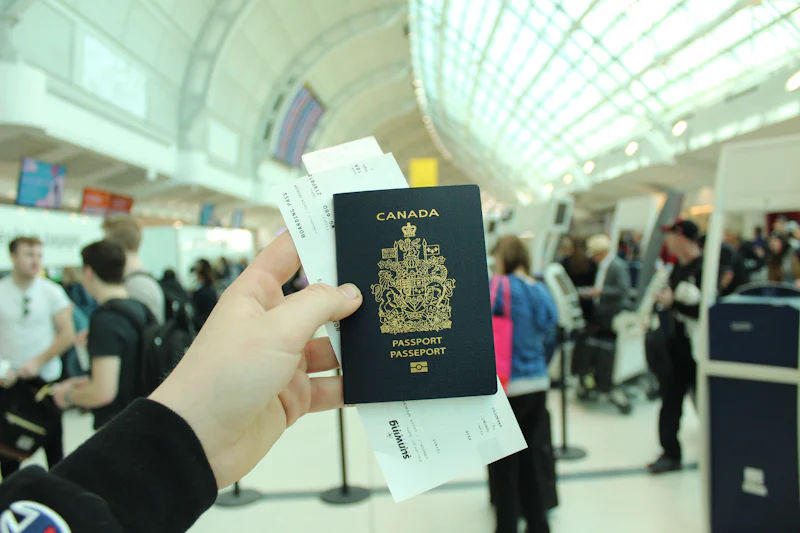
As Canada moves forward with new immigration and border laws, many critics are raising alarms. They argue that these changes could put LGBTQ+ individuals at serious risk. This is a significant concern, as Canada has long been recognized as a safe haven for marginalized communities. However, the latest changes in the law have sparked intense debate.
The New Immigration and Border Law
In June 2026, Canada introduced a new immigration and border law aimed at tightening border security and streamlining the immigration process. The government claims that its goal is to ensure safety and improve the efficiency of border control. However, many critics are concerned that this law may inadvertently target vulnerable groups, especially LGBTQ+ people who seek refuge in Canada.
Why LGBTQ+ Individuals Are Concerned
Canada has built a reputation as a welcoming country for LGBTQ+ individuals. Many people flee their home countries due to discrimination, violence, or persecution based on their sexual orientation or gender identity. These new laws, critics argue, could jeopardize the safety and well-being of LGBTQ+ individuals seeking asylum.
- Increased Scrutiny: Advocates worry that the new immigration laws will lead to increased scrutiny of asylum seekers. This scrutiny could dissuade LGBTQ+ individuals from coming forward, fearing they will have to prove their identity or provide evidence of persecution.
- Potential Deportation: Some argue that the law may result in the deportation of individuals who do not meet new, stricter criteria. For many LGBTQ+ individuals, returning to their home countries can mean facing violence, imprisonment, or even death.
- Refugee Status Challenges: Changing regulations may complicate the process of obtaining refugee status for LGBTQ+ individuals. Delays and bureaucratic hurdles could hinder their chances of securing safety in Canada.
Community Voices Speak Out
Organizations like the Rainbow Refugee Society and the Canadian Centre for Gender and Sexual Diversity have strongly criticized the new law. They argue that it ignores the specific needs and vulnerabilities of LGBTQ+ asylum seekers.
Speaking to NEWS66, Sarah Khan, a prominent LGBTQ+ rights activist, stated, “This law doesn’t just affect the logistics of immigration; it puts lives at risk. Canada must remain a place of safety, not a country that turns its back on the most vulnerable.”
Additionally, many LGBTQ+ refugees have shared their personal experiences. For many, fleeing their home countries was a life-or-death decision. They arrived in Canada hoping for safety but now face fear and uncertainty due to the potential implications of the new law.
The Broader Impact on Canada
Canada’s new immigration and border law doesn’t just affect those seeking asylum; it reflects broader societal attitudes. Critics warn that these changes could foster an atmosphere of fear and discrimination against LGBTQ+ individuals. If Canada is to continue being regarded as a welcoming nation, these voices must be heard.
Understanding the implications of this law goes beyond statistics and immigration numbers; it is about real people and their lives. Many Canadians believe that we can uphold safety without sacrificing compassion. The balance between security and human rights is delicate, and the voices of marginalized communities must play a crucial role in the conversation.
What’s Next?
Navigating the complexities of immigration law while prioritizing the safety and rights of diverse communities is challenging. Advocacy groups are mobilizing to push for amendments that would protect LGBTQ+ individuals. Their goal is to ensure that Canada remains a safe haven for all, irrespective of gender or sexual identity.
There are calls for more consultation between the government and LGBTQ+ rights organizations. Many believe policymakers need to hear directly from those affected by the law to better understand the potential consequences.
Conclusion
The debate over Canada’s new immigration and border law illustrates a crucial moment for LGBTQ+ rights in the country. While the government aims to enhance security, it is essential to preserve Canada’s commitment to human rights and dignity for all. The fight for safety, acceptance, and inclusion continues, and we must ensure that the voices of the LGBTQ+ community are not silenced in this process. As Canada moves forward, let us not forget that the true strength of our nation lies in its diversity and compassion.
< <