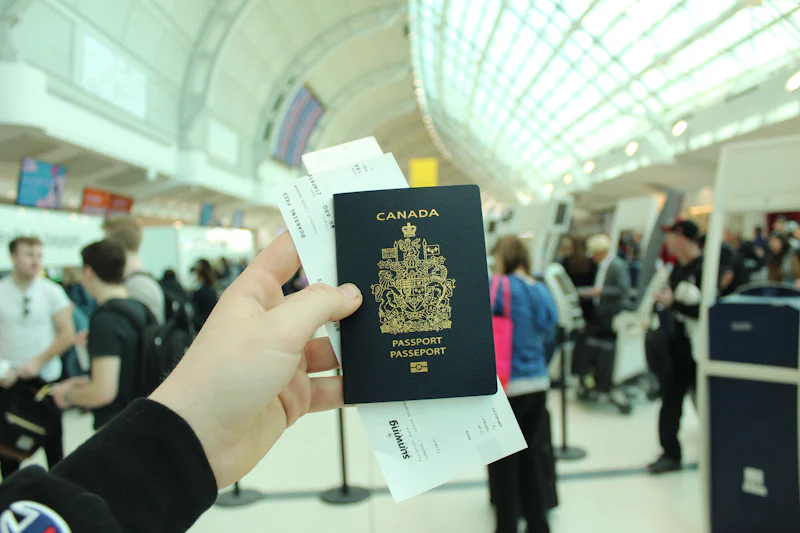
Studying in Canada can be an enriching experience, not just academically but also culturally. For international students, one of the first steps to making this dream a reality is obtaining a study permit. This guide will walk you through the process of applying for a study permit in Canada, ensuring you have all the necessary information to facilitate your educational journey.
What is a Study Permit?
A study permit is a document that allows foreign nationals to study at designated learning institutions (DLIs) in Canada. It is not considered a visa but is essential for international students who plan to attend school for more than six months. Alongside your study permit, you may require a visitor visa or an Electronic Travel Authorization (eTA) depending on your country of origin.
Eligibility Criteria
Before applying for a study permit, it’s crucial that you meet the eligibility requirements set by Immigration, Refugees and Citizenship Canada (IRCC). Here are the primary criteria:
- You must have been accepted by a designated learning institution.
- You must demonstrate sufficient financial means to pay for tuition fees, living expenses, and return transportation.
- You must be a law-abiding citizen with no criminal record, which may require a police certificate.
- You must be in good health and may need to complete a medical exam.
- You intend to leave Canada at the end of your study permit period.
Step-by-Step Application Process
The following steps will guide you through the application process for a study permit:
1. Obtain an Acceptance Letter
Your first step is to be accepted into a designated learning institution (DLI). You’ll need a formal acceptance letter from the DLI as it’s a fundamental requirement for your study permit application.
2. Gather Required Documents
Once you have your acceptance letter, prepare the necessary documents, which typically include:
- A valid passport or travel document.
- The acceptance letter from your DLI.
- Proof of sufficient funds (bank statements, scholarship letters, etc.).
- A statement of purpose which explains your study plans and intentions in Canada.
- A letter of recommendation, if applicable.
- Medical exam results from a recognized physician, if required.
- A police clearance certificate, if applicable.
3. Apply Online or by Paper
You can apply for your study permit either online through the IRCC website or via a paper application. Applying online is generally faster and more efficient. To apply:
- Create an account on the IRCC portal.
- Complete the application form and upload all required documents.
- Pay the application fees, which include a processing fee and, if applicable, a biometrics fee.
- If required, schedule a biometrics appointment at your nearest service point.
4. Wait for Processing
After submitting your application, you will receive a confirmation of receipt from IRCC. The processing times can vary, so check the IRCC website for current processing times to manage your expectations.
5. Receive Your Study Permit
If your application is approved, you will receive a letter of introduction and, if necessary, a temporary resident visa or eTA. Upon arriving in Canada, present these documents to the immigration officer who will issue your study permit.
Post-Application Tips
Once you have your study permit, here are a few tips to help you settle in:
- Familiarize yourself with your new environment, including public transport, local customs, and cuisines.
- Open a Canadian bank account to manage your finances efficiently.
- Consider getting health insurance, as health coverage varies depending on the province. In Ontario, for instance, you must apply for the Ontario Health Insurance Plan (OHIP) after you arrive.
- Engage with your institution’s support services for international students—they can help you adjust to life in Canada.
Common Challenges to Consider
While the process is straightforward, you might face some challenges:
- Missing documents: Ensure you have all required documents before submission to avoid delays.
- Insufficient funds: Be clear about your financial situation; if you cannot demonstrate sufficient funds, your application may be denied.
- Understanding conditions: Be aware of the conditions of your study permit, including work restrictions and study requirements.
Conclusion
Obtaining a study permit in Canada may seem daunting, but with the right preparation and knowledge, you can successfully navigate the process. Remember to stay updated on any changes to immigration policies by regularly checking the IRCC website. Canada is home to a vibrant education system and diverse culture; embracing this opportunity could be one of the best decisions of your life.