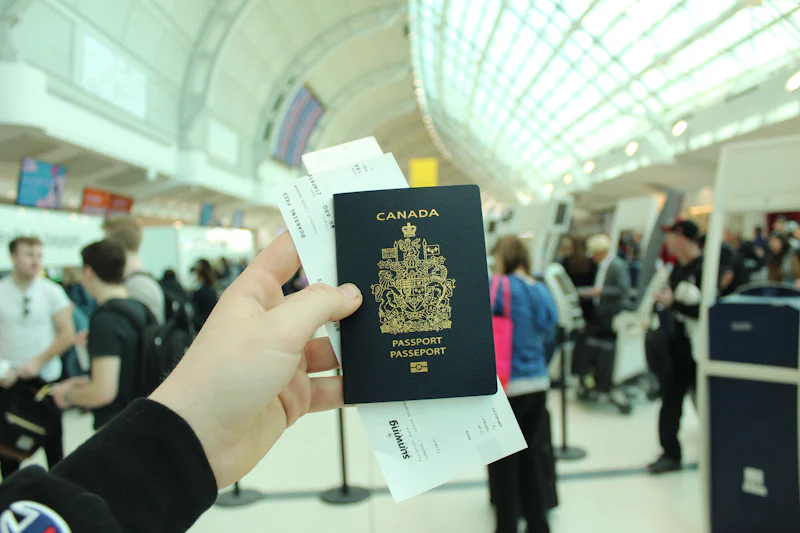
Canada is a land of opportunity, especially for international students dreaming of a bright future. Every year, thousands of young minds come to Canada to study, but many wonder: how can I turn my study permit into permanent residency (PR)? The good news is that there are clear pathways for international students to help them stay in Canada for good. In this blog post, we’ll explore how to transition from a study permit to permanent residency, keeping it simple and straightforward.
Understanding Your Study Permit
Before diving into the steps to obtain PR, let’s first understand what a study permit is. A study permit is an official document issued by the Government of Canada that allows international students to study in Canada at designated learning institutions (DLIs). It’s important to note that the study permit is not a visa, and students must also have a valid visitor visa or an electronic travel authorization (eTA) to enter Canada.
Why Stay in Canada after Studies?
Many international students fall in love with Canada during their time at school. The diverse culture, quality education, and welcoming communities make it a great place to live and work. By transitioning to PR, students can:
- Work full-time in Canada without restrictions.
- Access healthcare and social benefits available to citizens.
- Live and work anywhere in Canada.
- Apply for Canadian citizenship in the future.
Pathways to Permanent Residency
Turning a study permit into permanent residency can seem daunting, but it’s manageable with the right information. Here are some common pathways for international students:
1. Canadian Experience Class (CEC)
The CEC is a popular route for international students who have gained work experience after graduation. To qualify:
- You must have at least 12 months of skilled work experience in Canada within the three years after your graduation.
- Your work experience must be in a job classified under the National Occupational Classification (NOC) as skilled, typically at NOC levels 0, A, or B.
- You should meet the minimum language requirements.
2. Provincial Nominee Program (PNP)
Canada’s provinces and territories have their own immigration programs called PNPs. These programs allow provinces to nominate individuals for permanent residency based on their skills and labor market needs. Here’s what to know:
- Check if your province has a PNP that targets international students.
- Usually, you’ll need to apply for a job in that province after graduation.
- If you receive a provincial nomination, it significantly boosts your chances of getting PR.
3. Express Entry System
The Express Entry system is a popular way for skilled immigrants to obtain PR. It’s a points-based system, and international students can gain points in several ways:
- Education (degrees or diplomas gained in Canada).
- Canadian work experience.
- Language proficiency (English and/or French).
To apply through Express Entry, you’ll need to create an online profile and enter the pool. You will then be ranked against other candidates, and the highest-ranking candidates receive an Invitation to Apply (ITA) for PR.
Steps to Transition from Study Permit to PR
Now that you know the pathways, here are the crucial steps to follow:
- Gain Work Experience: After graduation, find a job related to your field of study. This experience will help you qualify for programs like CEC and PNP.
- Improve Your Language Skills: Strong language skills can enhance your profile in the Express Entry system. Consider taking language classes if needed.
- Research Provincial Nominee Programs: Each province has its own requirements and processes, so check the government website for your desired province.
- Gather Necessary Documents: Make sure you have all essential documents ready for your PR application, including transcripts, employment letters, and language test results.
- Consult an Immigration Professional: If you’re unsure where to begin or need assistance, consider hiring an immigration consultant or lawyer.
Tips for a Smooth Transition
To increase your chances of a successful transition from study permit to PR, keep these tips in mind:
- Stay Informed: Immigration policies can change. Regularly check the Government of Canada’s immigration website for updates.
- Network: Connect with other international students, alumni, and professionals in your field to find job opportunities and get advice.
- Be Prepared: The PR application process can be lengthy. Be prepared with all the required documents and be patient.
Conclusion
Canada offers a welcoming environment for international students, and with the right steps, you can turn your study permit into permanent residency. By gaining work experience, improving your language skills, and exploring the various immigration pathways, you can successfully build your future in Canada. Don’t lose hope; your dream of living in Canada could be closer than you think!
< <