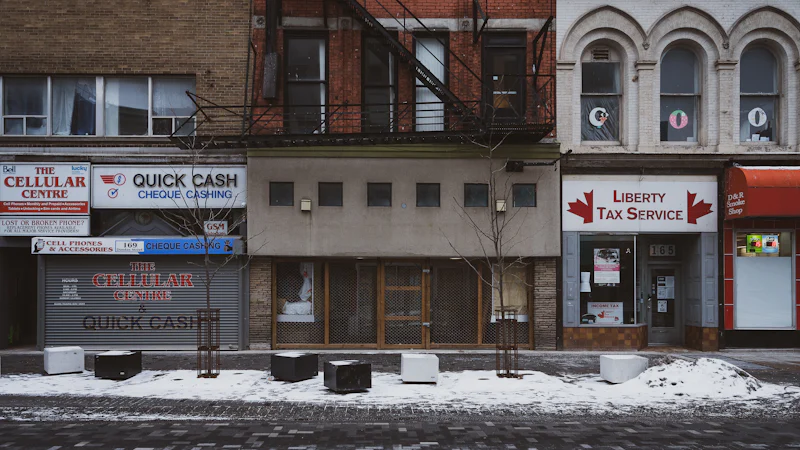
The Canadian retail landscape is currently witnessing a significant shift as the construction of new retail spaces continues to plummet. This development has far-reaching implications for businesses, consumers, and the larger economic environment across the country. As we navigate through 2026, understanding the factors contributing to this trend is essential for business owners, investors, and policymakers alike.
Current State of Retail Construction in Canada
In recent years, the construction of new retail space in Canada has slowed remarkably. According to statistics from the Canadian Real Estate Association (CREA), between 2025 and 2026, new retail space permits issued have dropped by nearly 30%. This decline is especially noticeable in urban areas, where the saturation of existing retail establishments has made it difficult for new players to enter the market.
This limited construction affects various aspects of the retail industry, including consumer choice, employment opportunities, and economic growth. With the Canadian economy still recovering from the impacts of the pandemic, strategic planning and adaptability have become crucial for survival and success.
Factors Influencing Limited Retail Space Construction
Several factors contribute to the current constraints on new retail construction in Canada:
- Market Saturation: In many urban centers, there is a plethora of retail options available, leading landlords and developers to be more cautious when considering new projects.
- Changing Consumer Behavior: The rise of e-commerce has altered how consumers shop, impacting the demand for physical retail space. Many consumers now prefer online shopping for convenience.
- Regulatory Challenges: In Ontario, stricter zoning laws and building codes have made it more challenging for developers to secure approvals for new projects.
- Economic Uncertainties: Fluctuating economic conditions can deter investment in new retail spaces. The uncertainty surrounding interest rates and inflation continues to weigh heavily on developers’ decisions.
- Environmental Concerns: There’s growing pressure for sustainable development. New retail spaces are often scrutinized for their environmental impact, leading to increased regulatory hurdles.
Impact on Businesses and Consumers
The consequences of limited retail space construction are felt by various stakeholders in the retail sector:
- Business Challenges: New businesses face significant barriers to entry due to the scarcity of available retail space. Existing businesses may find themselves unable to expand or renovate their locations due to the lack of viable options.
- Job Opportunities: The slowdown in retail construction affects job creation in the sector. Fewer developments mean fewer positions are available for workers, in a time when many are looking to re-enter the job market.
- Consumer Choice: With fewer new stores opening, consumers might face reduced options. This limitation can impact price competitiveness and shopping experiences.
Opportunities Amid Challenges
While the current climate presents challenges, it also offers unique opportunities for businesses ready to adapt:
- Emphasizing E-commerce: Retailers can shift their focus to enhancing their online presence. By optimizing their websites, targeting marketing efforts, and improving customer service, businesses can capture the online consumer base.
- Innovative Store Formats: Retailers can consider alternative layouts and pop-up stores that require less space. This flexibility allows them to maintain a physical presence without the burden of long-term leases.
- Collaboration and Community: Businesses can work together to create shared retail spaces. This partnership approach can help diversify offerings and reduce overhead costs.
Government Support and Resources
The Canadian government is keenly aware of the challenges businesses face. There are various resources available to assist entrepreneurs navigating these difficult waters:
- Business Development Bank of Canada (BDC): The BDC offers financial assistance and advisory services to Canadian businesses, focusing on nurturing innovation and growth.
- Canada Revenue Agency (CRA): The CRA provides information and programs that can help businesses understand their tax obligations and available credits.
- Immigration, Refugees and Citizenship Canada (IRCC): The IRCC plays a significant role in advocating for immigrant entrepreneurs who contribute to the economy’s vibrancy and diversity.
For businesses, understanding these resources can be instrumental in effectively navigating the current retail landscape.
Conclusion
In conclusion, the limited construction of new retail space in Canada is not merely a hurdle; it is a reality that necessitates adaptability and innovation within the retail sector. As we move further into 2026, businesses that embrace new strategies and leverage available resources will be more likely to thrive amid these challenging circumstances. By understanding the factors at play and taking proactive steps, both entrepreneurs and consumers can find ways to navigate the evolving retail scene together.