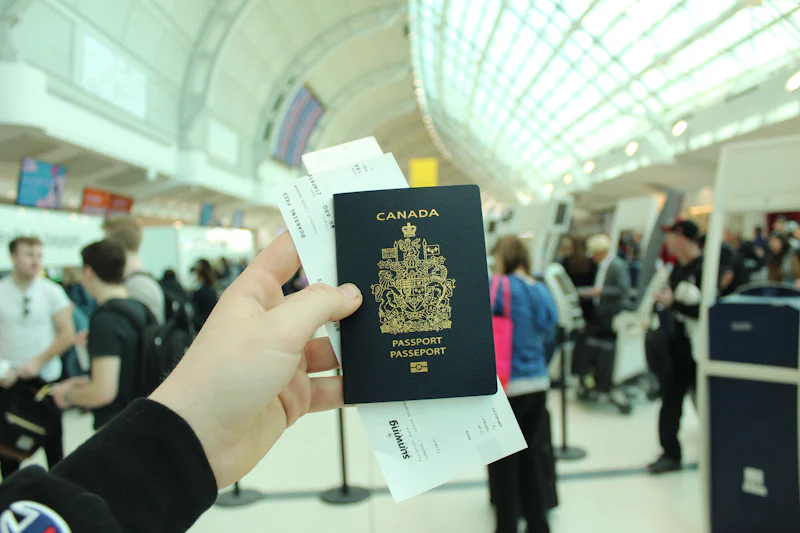
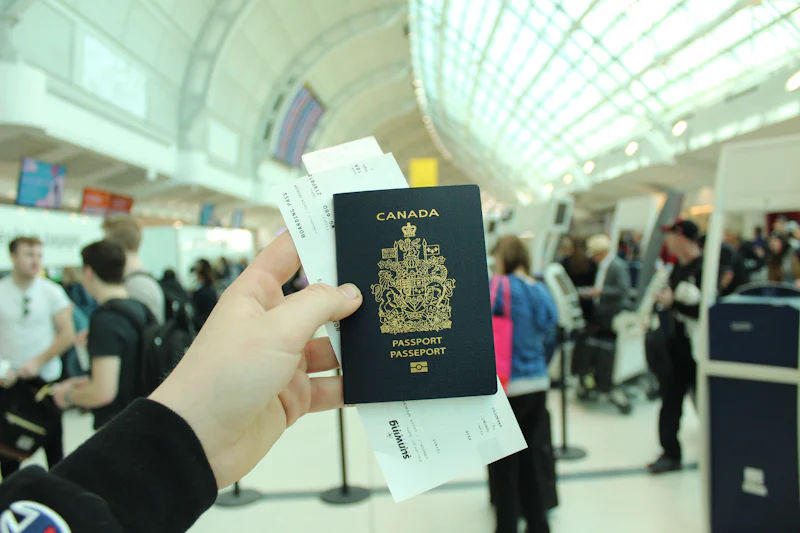
Sponsoring your spouse to Canada is a significant step towards building a life together in this beautiful country. As a Canadian citizen or permanent resident, you can help your partner become a permanent resident through the Family Class Sponsorship program. If you’re planning to take this crucial step, it’s essential to understand the requirements, processes, and timelines involved. This blog post outlines the steps and considerations for sponsoring your spouse to Canada.
Understanding Spousal Sponsorship
Spousal sponsorship allows a Canadian citizen or permanent resident to sponsor their spouse or common-law partner for permanent residency. This program emphasizes the importance of family reunification, allowing couples to be together in Canada.
Eligibility Requirements
Before you begin the sponsorship process, ensure both you and your spouse meet the eligibility criteria set by the Immigration, Refugees and Citizenship Canada (IRCC). Here are the primary requirements:
- Your Eligibility as a Sponsor: You must be at least 18 years old, a Canadian citizen or permanent resident, and able to financially support your spouse.
- Spouse’s Eligibility: Your spouse must be legally married to you or in a recognized common-law partnership. They must also pass medical, criminal, and security checks.
- Financial Capability: You don’t need to show proof of income; however, you must sign a sponsorship agreement indicating your commitment to support your spouse for a specified period.
Document Preparation
Gathering the necessary documentation is a crucial part of the sponsorship application. Here are the essential documents you will need:
- Application Forms: Complete the application forms found on the IRCC website.
- Proof of Relationship: This can include marriage certificates, photographs, communication records, and joint financial documents.
- Identification Documents: Provide copies of your ID, such as a passport or driver’s license, and your spouse’s identification.
- Police Certificates: Your spouse must submit police certificates to show that they don’t have a criminal record.
- Medical Exam Results: Your spouse will need to undergo a medical examination by an IRCC-approved panel physician.
Application Process
Following the preparation of your documents, here’s a general overview of the application process:
- Complete the application: Fill out all necessary forms accurately to avoid delays.
- Pay the fees: As of July 2026, the application fee for spousal sponsorship is CAD 1,490. Ensure you keep proof of payment.
- Submit the application: Send your application package to the appropriate IRCC office, as indicated in the guidelines.
- Wait for processing: Processing times can vary. Applicants can check the latest timelines on the IRCC website.
Interviews and Additional Requirements
In some cases, IRCC may require both you and your spouse to attend an interview. This typically occurs when they need clarification regarding your relationship or if there are discrepancies in your application. Be prepared to discuss your relationship, how you met, and your future plans together.
Post-Application: What to Expect
Once IRCC receives your application, they will:
- Review Your Application: They will examine the documents and verify your relationship.
- Conduct Background Checks: Expect checks for criminal history and medical examinations.
- Provide Updates: You will receive notifications regarding the status of your application through your online account or email.
If approved, your spouse will be issued a Confirmation of Permanent Residence (COPR) and instructed on how to finalize their residency upon arrival in Canada.
Settling in Ontario
Upon receiving permanent residency, your spouse will want to settle into their new life in Ontario. Here are a few tips to help with the transition:
- Register With the Canada Revenue Agency (CRA): Ensure your spouse applies for a Social Insurance Number (SIN) to work and pays taxes.
- Explore Local Resources: Ontario offers settlement services through numerous organizations that provide support with housing, employment, and integration.
- Healthcare Coverage: Enroll your spouse in Ontario’s health insurance plan, OHIP, as soon as they become a resident.
Conclusion
Sponsoring your spouse to Canada is an act of love that comes with its fair share of responsibilities. By understanding the requirements and following the correct procedures, you can facilitate a smooth transition for your partner. Stay organized, gather your documentation, and remain informed throughout the process. For more information, consult the IRCC website and consider reaching out to local immigration consultants if you need further guidance.