If you’re an international student eager to pursue your education in Canada, obtaining a study permit is a crucial step in your journey. Canada is renowned for its high-quality education system, welcoming communities, and vibrant multicultural environment. This guide will walk you through the process of acquiring a study permit, important requirements, and tips to enhance your application.
What is a Study Permit?
A study permit is a document issued by the Government of Canada that allows foreign nationals to study at designated learning institutions (DLIs) in Canada. A study permit is essential for courses that last longer than six months. Before applying, it’s vital to receive a letter of acceptance from a recognized Canadian institution.
Eligibility Requirements
To apply for a study permit, you must meet specific eligibility criteria set by Immigration, Refugees and Citizenship Canada (IRCC). Here are the key requirements:
- Letter of Acceptance: You must have an acceptance letter from a designated learning institution in Canada.
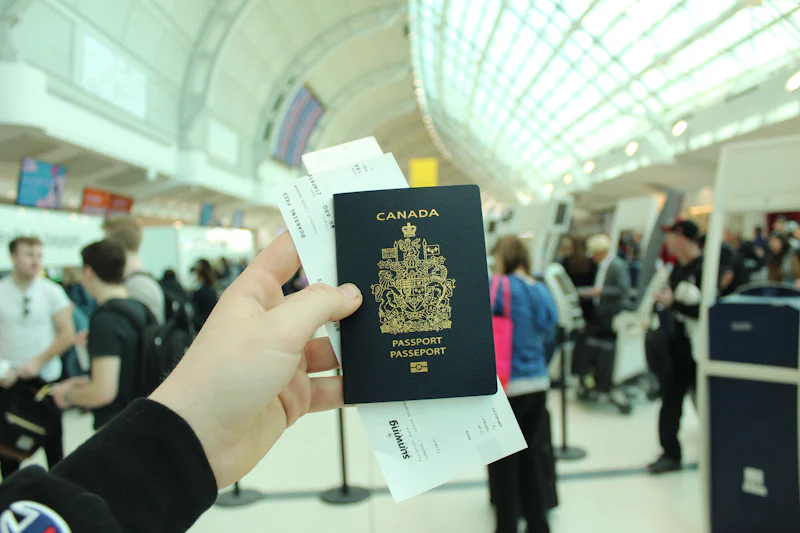
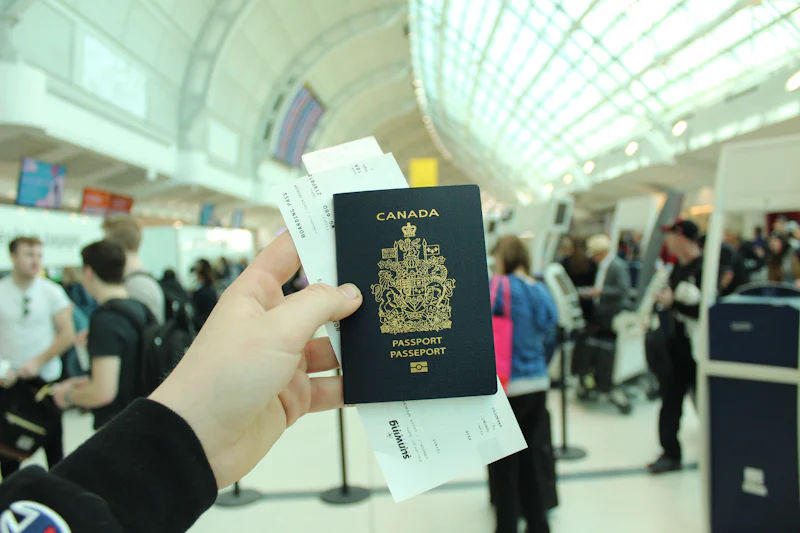
- Proof of Identity: Valid passport or travel document, reducing the risk of identity confusion.
- Financial Support: Evidence that you can cover tuition fees, living expenses, and return transportation.
- Good Health: A medical exam may be required if you’re coming from specific countries or if your program lasts more than six months.
- No Criminal Record: A police clearance certificate may be necessary to prove your background.
The Application Process
The application process for a study permit involves several straightforward steps. Following these will ensure a smoother experience:
1. Prepare Your Documents
Begin by gathering all the necessary documents. This includes:
- Acceptance letter from a DLI.
- Passport or travel documents.
- Proof of financial support (bank statements, scholarship letters).
- Identity documents (birth certificate, national ID).
- Any other documents specified by the IRCC.
2. Fill Out the Application
You can apply for a study permit online through the IRCC website. Here’s how:
- Create an account on the IRCC website.
- Complete the study permit application form (IMM 1294).
- Upload your supporting documents.
- Pay the application fee.
3. Biometrics Appointment
After submitting your application, you will be instructed to provide biometrics (fingerprints and photo) at your nearest application center. Make sure to book your appointment promptly, as there can be waiting times.
4. Medical Examination
If required, schedule a medical examination with a designated physician. This is particularly important if you plan to stay in Canada for more than six months.
5. Wait for Processing
The processing time for study permits can vary widely, so it’s a good idea to apply as early as possible. You can check the current processing times on the IRCC website.
Maintaining Your Status as a Student
Once your study permit is approved, it’s crucial to comply with the terms of your permit to maintain your status as a student. To do this:
- Register for classes at your institution and actively participate.
- Ensure that you complete your studies within the time frame specified in your permit.
- Renew your study permit before it expires if you plan to continue your studies or transition to a different program.
Working While Studying
As a study permit holder in Canada, you may be permitted to work while studying under certain conditions. This includes:
- Working on-campus without a work permit.
- Working off-campus for up to 20 hours per week during regular academic sessions, provided you meet the eligibility criteria.
- Full-time work during scheduled breaks.
Be sure to review the specifics regarding work eligibility to avoid jeopardizing your study permit status.
Final Thoughts
Navigating the study permit application process can be daunting, but with the right preparation and understanding of the requirements, you can successfully obtain your permit and embark on a fulfilling educational journey in Canada. Always remember to stay updated on any changes to regulations and processes by visiting the official IRCC website or consulting with a regulated immigration consultant.