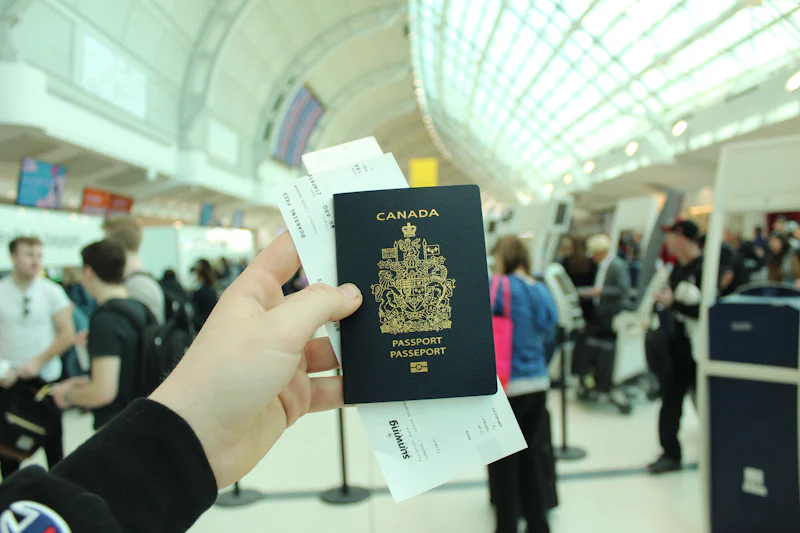
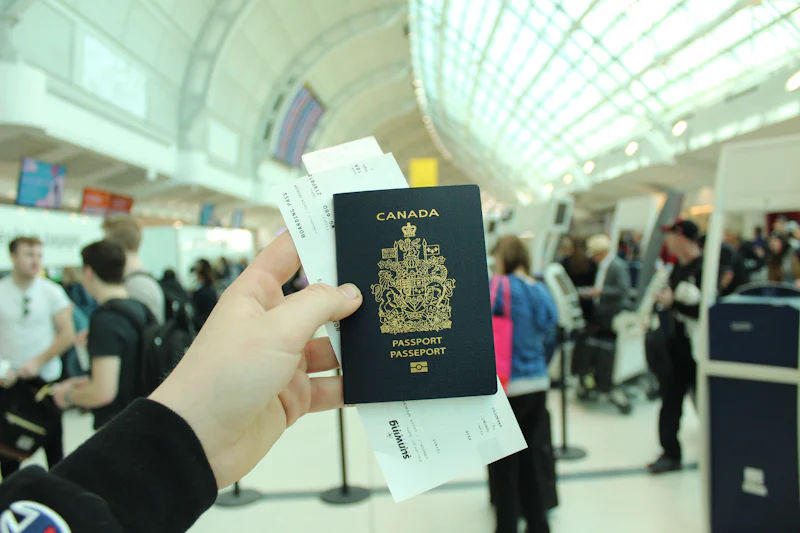
The Spousal Open Work Permit (SOWP) in Canada is a fantastic opportunity for the spouses of international students and skilled workers to gain employment rights while living in the country. Understanding the application process, eligibility criteria, and benefits of this permit is essential for couples navigating the Canadian immigration landscape. This guide will provide a comprehensive overview of the SOWP, helping you understand how to apply, what documents you need, and the key advantages it offers.
What is a Spousal Open Work Permit?
The Spousal Open Work Permit allows spouses or common-law partners of international students or skilled workers in Canada to work for any employer in the country. This permit is significant as it enables partners to contribute to the household income and facilitates a smoother transition into Canadian life.
Eligibility Criteria
To be eligible for the SOWP, there are specific requirements that applicants must meet:
- Spouse/Partner Relationship: You must be the legal spouse or common-law partner of a foreign national who is currently studying in Canada or working in a qualified job.
- Work Permit Status of the Principal Applicant: The primary applicant must hold a valid study permit or a work permit for a job classified under National Occupational Classification (NOC) 0, A, or B.
- Duration of Stay: Your partner must be in a program of study or work that is at least 6 months long, and valid for the period you apply.
- Legal Documentation: Proof of marriage or common-law status is required for the application, along with any supporting documents.
Application Process
Applying for a Spousal Open Work Permit involves several steps:
- Gather Required Documents: Prepare all necessary documents, including:
- Proof of relationship (marriage certificate or proof of common-law partnership)
- Proof of your spouse’s valid work or study permit
- Your own identification documents (passport, photos, etc.)
- Application Submission: You can apply online or through a paper application. The online method is often faster and more convenient.
- Pay Fees: The application fee for the SOWP is CAD 255, which includes a processing fee and an open work permit fee.
- Wait for Processing: Processing times can vary, so it’s essential to check the IRCC’s official processing times page to get an estimate for your application.
Duration and Validity of the Permit
The Spousal Open Work Permit is typically valid for the same length of time as the principal applicant’s study or work permit. Therefore, if your spouse is enrolled in a two-year graduate program, your SOWP will also be valid for up to two years, aligning with their duration of stay.
Benefits of Holding a Spousal Open Work Permit
There are numerous benefits to obtaining an SOWP, including:
- Unlimited Work Options: You can work for any employer in Canada, enhancing your career opportunities.
- Flexible Work Hours: As an open work permit holder, you are not restricted by specific job offers or hours.
- Social Integration: Working in Canada helps you build connections and adapt to Canadian culture while potentially improving your English or French skills.
- Pathway to Permanent Residency: Gaining Canadian work experience can significantly assist in applying for permanent residency in Canada through various immigration programs.
Tax Considerations
As a work permit holder in Canada, you are required to report your income to the Canada Revenue Agency (CRA) and may be subject to taxes based on your earnings. It’s crucial to keep accurate records of all your income and expenditures. Consult with a tax professional if you are unsure about your obligations regarding taxation in Canada.
Common Issues & Troubleshooting
Despite the relatively straightforward process, applicants sometimes face challenges. Here are a few common issues and their solutions:
- Incomplete Applications: Ensure all required documents are submitted and correctly filled out to avoid delays or rejections.
- Long Processing Times: If you experience long wait times, you can check IRCC’s processing times page for updates and timelines.
- Changes in Relationship Status: If your relationship status changes during the application process, you must report this promptly to IRCC.
Conclusion
The Spousal Open Work Permit is an invaluable opportunity for partners of international students or skilled workers in Canada. By understanding the eligibility requirements, the application process, and the benefits involved, you can effectively navigate this journey and contribute positively to your new home. Be sure to stay informed with updates from the IRCC and seek professional advice if needed. Enjoy the exciting journey ahead in Ontario and the rest of Canada!