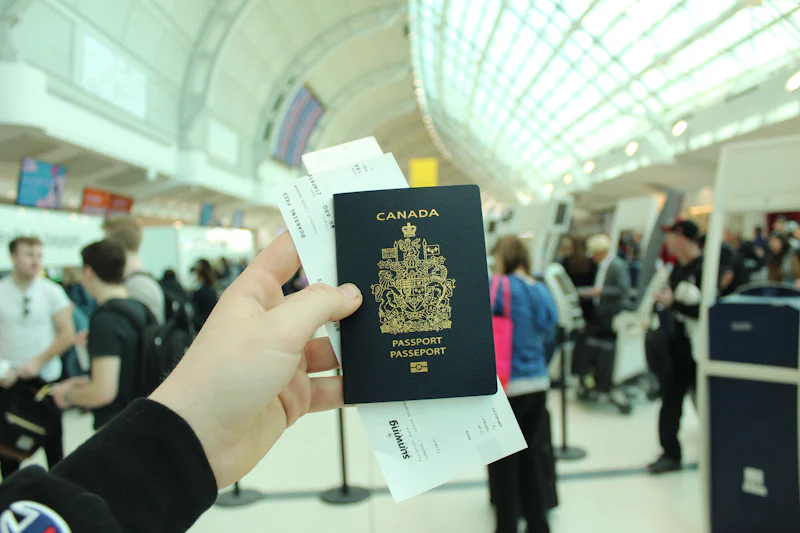
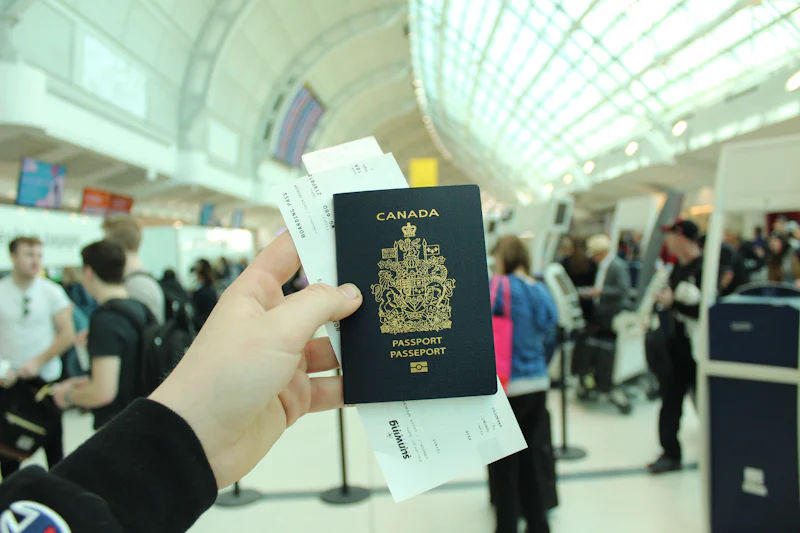
Starting a life together in Canada can be an exciting journey, especially when it involves bringing your spouse to live with you. The process of sponsoring your spouse to Canada involves specific guidelines and requirements set forth by Immigration, Refugees and Citizenship Canada (IRCC). If you’re a Canadian citizen or a permanent resident looking to reunite with your partner, this guide will walk you through the essential steps and considerations involved in the sponsorship process.
Understanding Spousal Sponsorship
Sponsoring your spouse allows them to become a permanent resident in Canada. Under the IRCC guidelines, a spouse is defined as someone you are legally married to, while a common-law partner is defined as someone you have lived with for at least one year in a marriage-like relationship.
There are two main categories for spousal sponsorship:
- Outland Sponsorship: This applies when your spouse lives outside of Canada.
- Inland Sponsorship: This applies when your spouse is already in Canada, often on a temporary visa.
Both pathways lead to permanent residency, but the application procedures and processing times may differ.
Eligibility Requirements
Before proceeding with your application, ensure you and your spouse meet the following eligibility criteria set by the IRCC:
- Your eligibility as a sponsor:
- You must be a Canadian citizen or a permanent resident.
- You should be at least 18 years of age.
- You must not be under a removal order, or have been convicted of a violent crime against your spouse.
- You must be able to provide for your spouse’s basic needs.
- Your spouse’s eligibility:
- Your spouse must be at least 18 years old.
- They must not be inadmissible to Canada for any reason, such as medical issues or criminal history.
- The relationship must be genuine and not entered into for the purpose of acquiring residency.
Gathering Necessary Documents
An integral part of the application process is compiling the required documentation. This includes, but is not limited to:
- Proof of Relationship: Marriage certificate, joint bank accounts, shared utility bills, photos together, etc.
- Identification Documents: Passports, birth certificates, and government-issued IDs.
- Financial Evidence: Proof of income and ability to support your spouse, such as recent tax returns (including documentation for CRA), employment letters, and bank statements.
- Medical and Police Records: Your spouse may be required to provide a medical exam and police clearance certificate.
Ensure all documents are translated into English or French if they are in another language, as this is a requirement for the application.
The Application Process
The sponsorship application consists of two main forms:
1. **Sponsorship Application Package**: This includes forms that demonstrate your eligibility as a sponsor.
2. **Permanent Residency Application**: This is completed by your spouse to apply for their residency.
The steps below will guide you through the application process:
- Step 1: Download the sponsorship application package from the IRCC official site.
- Step 2: Complete the application forms accurately, ensuring that all information matches the provided documents.
- Step 3: Gather all necessary documents and ensure they are well-organized.
- Step 4: Pay the required application fees online and keep a copy of the receipt.
- Step 5: Submit your application either online or by mail, depending on the type of sponsorship.
After submission, IRCC will review your application. Ensure you provide timely responses to any requests for additional information.
Application Processing Times
The processing times for spousal sponsorship applications can vary. As of June 2026, the average processing time for applications is approximately 12 months, though this can differ based on individual circumstances. You can check the current processing times via the IRCC website to stay informed.
Tips for a Successful Application
To increase your chances of a successful sponsorship application, consider the following tips:
- Complete and Accurate Information: Ensure all forms and documents are filled out completely and accurately to avoid any delays.
- Strong Evidence of Relationship: Provide adequate evidence to support the genuineness of your relationship.
- Stay Informed: Keep up-to-date on any changes in sponsorship regulations or requirements on the IRCC website.
- Consult an Immigration Consultant: If you’re uncertain about any part of the application, consider seeking help from a registered immigration consultant or lawyer.
Conclusion
Sponsoring your spouse to Canada is a significant step toward building a future together. By understanding the requirements, gathering the necessary documentation, and submitting a complete application, you can streamline the process. Remember to stay patient and open to communication from IRCC as they review your application. Every step taken today is a step closer to reuniting with your loved one in Canada.