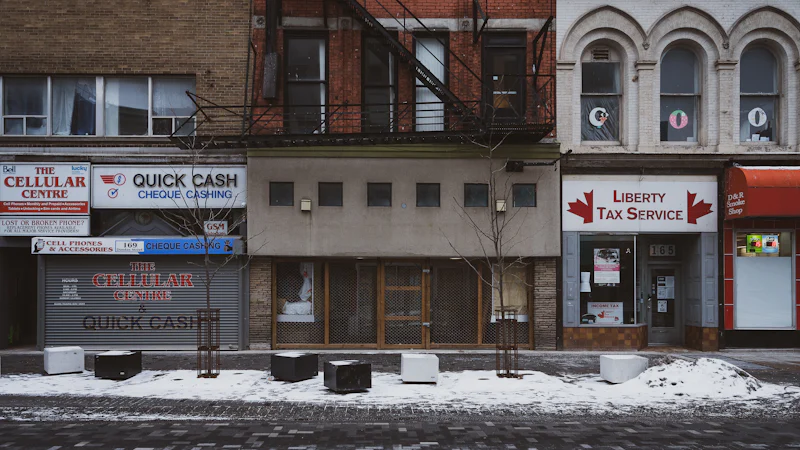
The urban hustle and bustle of Toronto has always drawn residents for its vibrant culture, career prospects, and diverse communities. However, as the cost of living skyrockets, many people find themselves priced out of the city they love. This was the case for Katherine, a graphic designer who decided to make a transformative move into cottage country after facing financial pressures in Toronto. This blog post explores her journey and provides insights into the opportunities and challenges of starting anew outside of the big city.
The Reality of Housing Costs in Toronto
Toronto has been consistently ranked among the most expensive cities to live in Canada. High rents and real estate prices have forced many to rethink urban life. According to the Canada Mortgage and Housing Corporation (CMHC), the average home price in Toronto reached an all-time high, making it difficult for many young professionals to own their own home. As a result, Katherine, like so many others, began to evaluate her options.
Finding Opportunity in Cottage Country
After careful consideration, Katherine chose to move to a picturesque cottage in Ontario’s Kawartha Lakes region. Her decision was influenced by the following factors:
- Affordability: The cost of living in cottage country is significantly less than in Toronto, allowing her to invest in a cozy home.
- Quality of Life: The scenic beauty, outdoor lifestyle, and slower pace of life appealed to her.
- Remote Work Potential: Given her profession in graphic design, Katherine realized she could continue her work remotely while embracing a new environment.
- Community Spirit: Smaller towns often have tight-knit communities that can make relocation more welcoming.
Katherine’s move was not just about leaving Toronto behind; it was about embracing a lifestyle she had always craved.
Transitioning to Cottage Life
Leaving behind the city was a significant adjustment for Katherine, but she quickly adapted. Initially, she faced several challenges:
- Networking: Building her professional network in a smaller community required time and effort, as most connections were still based in Toronto.
- Access to Services: While the region had essential services, accessing certain urban amenities required planning and travel.
- Finding Clients: As she transitioned to remote work, she needed to find clients willing to work virtually.
To overcome these hurdles, Katherine took proactive steps. She connected with local businesses and entrepreneurs, joined online forums, and attended community events to build relationships and gain referrals. The local tourism board became instrumental in helping her gain visibility for her services, and she even found potential clients looking for branding help who preferred hiring someone from the local region.
The Impact of the CRA and Taxes
One significant factor in Katherine’s decision-making process was the implications of tax regulations and costs associated with living in cottage country. As a resident of Ontario, she understood she would still be subject to provincial and federal tax regulations. However, the shift in her living expenses altered her financial landscape positively.
The Canada Revenue Agency (CRA) allows for certain deductions and credits that might be advantageous for self-employed individuals. Katherine took the time to learn about the following:
- Business Expenses: Katherine could claim a portion of her home as a tax deduction since she used it for her business.
- Health and Dental Expenses: With the transition, Katherine had to find suitable healthcare options that fit her new lifestyle while keeping an eye on potential out-of-pocket expenses.
- Investments in Local Economy: By starting her business in the cottage community, Katherine made it a point to invest locally, which allowed her to foster good relationships while benefiting from the regional tax incentives.
The CRA’s resources helped Katherine navigate her financial obligations, ensuring she remained compliant while maximizing her benefits.
Embracing the Local Culture
One of the greatest joys of relocating to cottage country has been immersing herself in the local culture. Katherine discovered:
- Outdoor Activities: Opportunities for hiking, kayaking, and seasonal festivals made for a more active lifestyle.
- Local Arts Scene: Arts and crafts from local artisans inspired her design work, leading to new creative avenues.
- Community Events: Participating in local markets and fairs provided further networking opportunities and fostered connections with fellow creatives.
This cultural embrace was not only fulfilling but also enriched her work, providing fresh perspectives and inspirations.
The Future of Cottage Businesses
Katherine’s successful transition is indicative of a broader trend where professionals are leaving urban centers in search of more affordable and fulfilling lives in rural areas. The COVID-19 pandemic accelerated remote work acceptance, leading many to realize that they could thrive outside the confines of city life.
For aspiring entrepreneurs looking to follow in Katherine’s footsteps, several steps can help ensure a successful transition:
- Research Your New Community: Understand the demand for your services in the area.
- Network Relentlessly: Make connections both online and offline. Participate in local events.
- Stay Educated on Regulations: Familiarize yourself with provincial regulations, especially concerning taxes and business registrations.
- Invest in Local Marketing: Emphasize your commitment to the community to build a loyal customer base.
Katherine’s journey illustrates that with careful planning and an open mind, moving from Toronto to a cottage community can open up new adventures, friendships, and a sustainable way of living.