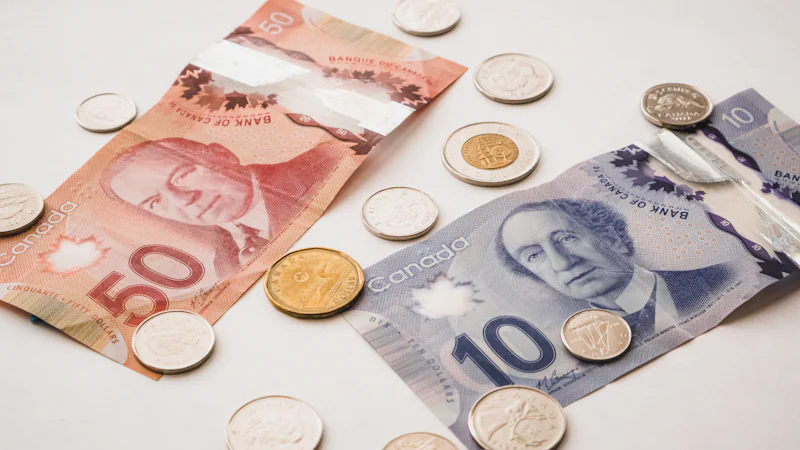
As the world grapples with economic turbulence stemming from geopolitical tensions, Canadians are feeling the pinch more than ever. With escalating costs of living and inflation driven by factors including the ongoing conflict in Iran, the profits of major oil companies have reached unprecedented heights. This situation not only impacts everyday Canadians but also raises critical questions about governmental responses, market dynamics, and the future of Canada’s energy policies.
The Current Landscape of Inflation in Canada
Inflationary pressures are being felt across every corner of the country. According to a recent report by Statistics Canada, the consumer price index (CPI) has experienced a significant uptick in 2026, with fuel and energy prices leading the charge. Canadians in Ontario and other provinces are struggling against rising prices for essentials such as groceries, transportation, and housing.
The latest reports indicate that these price increases have been primarily driven by global oil prices, spiking as a direct consequence of the increasing tensions and conflict involving Iran. Since Iran is a major player in global oil markets, instability in the region invariably leads to supply disruptions, contributing to inflation on home soil.
So, what does this mean for everyday Canadians? For many, it means tighter budgets and fewer financial resources for discretionary spending.
Big Oil’s Windfall: Profits Soar Amid Crisis
As millions of Canadians grapple with financial strain, the oil industry is witnessing a significant windfall. Major oil companies have reported record profits amid the turmoil. For example, companies like Enbridge and Suncor have seen their earnings surge, benefitting from increased oil prices and high demand.
- Record Profits: Many of Canada’s largest oil companies have posted quarterly earnings in the billions, showcasing a stark contrast to the suffering public.
- Stock Prices Surge: With increased demand and heightened prices, share prices of oil corporations have skyrocketed, rewarding investors even in a time of crisis.
- Stock Buybacks and More: A significant portion of these profits has been funneled into shareholder buybacks rather than improvements to infrastructure or sustainable practices.
This disparity raises ethical questions about corporate responsibility and the social contract between businesses and the communities they serve. Should these companies be reinvesting in local communities or addressing climate change concerns rather than maximizing short-term profits?
Government Response: How Canada is Reacting
Faced with escalating costs, the Canadian government, including agencies like the Canada Revenue Agency (CRA) and Immigration, Refugees and Citizenship Canada (IRCC), is in a challenging position. Here are some notable areas of focus:
- Tax Breaks and Relief Programs: The government may consider implementing tax relief measures for low- and middle-income Canadians feeling the pinch of energy costs.
- Regulation of Prices: Discussions around regulating gas prices could arise as politicians seek to address public outrage over soaring fuel costs.
- Investment in Alternative Energies: There is a growing push within certain political circles to invest in renewable energy sources, which would soften the blow from fluctuating oil prices.
These measures demonstrate the complex balancing act the government must perform: mitigating the immediate financial burden on citizens while also maintaining a stable economic environment and fostering growth in the energy sector.
Looking Ahead: The Future of Oil and Energy in Canada
As the Iran conflict shows no signs of abating, the future of oil prices remains uncertain. This creates an opportunity for Canada not only to reassess its dependency on oil but also to pivot towards more sustainable energy practices.
The reality is that the oil sector’s current profitability is largely dependent on global conflict rather than domestic innovation or sustainability. If Canadians truly want to secure a more stable and environmentally responsible future, more attention must be directed toward:
- Investment in Renewable Energy: Enhanced funding for solar, wind, and hydroelectric projects can reduce dependence on oil and mitigate future inflation impacts.
- Public Transportation Solutions: Improved public transport can reduce individual reliance on vehicles, lessening the demand for fuel and easing inflationary pressures.
- Education around Energy Saving: Programs facilitated by the CRA and local governments could help Canadians understand how to lower their energy consumption and costs.
Canada stands at a crossroads. The decisions made now will have lasting repercussions on the economy, the environment, and the social fabric of the country. It is critical for policymakers to not only address the immediate challenges posed by rising oil profits and inflation but also to invest in a sustainable energy future that aligns with the needs of all Canadians.